

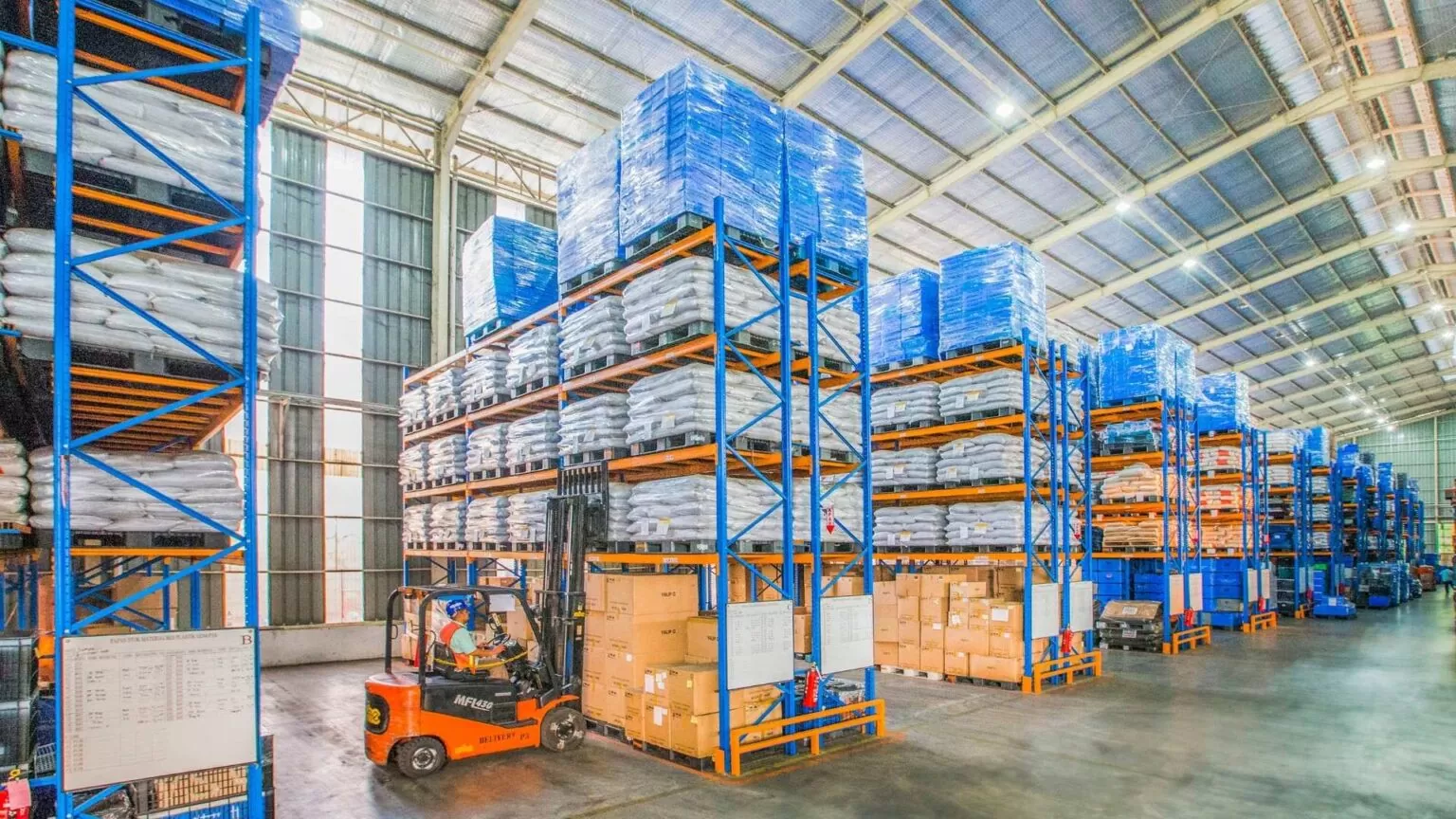
The geographic isolation of Australia commercially, especially compared to the United States or the European Union, is a challenge that all Australian manufacturers must contend with. The solution is setting up multiple facilities around the world to more easily reach customers, but this brings with it a new problem: multi-location inventory management.
The good news is that cloud ERP systems make managing inventory for offshore warehouses much easier, enabling transparency and real-time insights across all locations.
Whether your manufacturing operation is in the middle of a growth phase or you have facilities spread right around the world, staying profitable in a hyper-connected market typically demands you are capable of shipping your product anywhere on the planet.
But the ability to oversee the entire supply chain and accurately track inventory is made more complex when you start adding more destinations to your repertoire. Scaling up and ensuring your operations remain fluid isn’t as simple as flipping a switch. And if you don’t have the right solutions in place it can lead to expensive oversights – especially when you consider that last-mile logistics can cost a whopping 53% of the total cost of shipping.
There are many reasons why you might hold multiple facilities around the globe – perhaps it’s for faster distribution to customers, or maybe certain locations provide more cost-effective storage capacity, or perhaps you need transit warehouses at strategic sites in order to temporarily store goods. Whatever the case, managing multiple facilities has a number of drawbacks:
Thankfully, technology has created new ways to eliminate – or at least reduce the impact of – these challenges, especially through a cloud ERP solution.
So how can your operation thwart these challenges while leveraging the potential profits of worldwide distribution? It starts and ends with software. Having a solid inventory management solution can help you manage multiple locations, monitor large-scale inventory and oversee production from start to finish – all at the same time.
It’s also important to choose your warehouse locations carefully. If language differences, compliance issues or legal requirements will potentially cause bottlenecks, it may be wiser to look further afield. You should also prepare for upcoming demand. Demand planning – especially when using ERP software – can help you predict the ebbs and flows of orders, ensuring you optimise your stock levels across all locations and minimise carrying costs.
By integrating a multi-location inventory management solution into your everyday operations, you’ll access a wealth of benefits, including:
We work with organisations across a wide range of industries, many of which juggle multiple facilities around the world. Finding the appropriate cloud ERP solution that suits your business model is paramount to optimising your inventory management needs. It’s certainly not one size fits all.

Wild Tech Malaysia will implement Microsoft Dynamics 365 ERP for New Hoong Fatt Group, modernising their automotive parts operations in Malaysia, China, and Indonesia.
Read More
Blog Why Wild Tech is backing Joel Kelso’s push for MotoGP glory From the moment he began riding motorbikes at just two years old, Joel Kelso has never stopped racing. But despite plenty of raw natural talent and a thirst for glory, this Darwin boy has already faced his...
Read More
The challenges of scaling up an enterprise don’t stop when you establish a global presence. On the contrary, managing international operations can become incredibly difficult if you don’t have the technology in place to streamline everyday tasks and ensure supply chains are unencumbered. Here’s how an enterprise resource planning...
Read More